
What Is Freemasonry
Freemasonry is one of the oldest fraternal organizations in the world. It unites men of good character who, though of different religious, ethnic or social backgrounds, share a belief in the fatherhood of God and the brotherhood of mankind. Freemasonry offers a system or blueprint for the good man to further improve his character and actions through its system of degrees, symbols, and fellowship opportunities.
The United Grand Lodge of England reports that worldwide membership totals more than 6 million Freemasons, 1.1 million of whom are in North America. With over 60,000 Masons and 430 local Lodges, Ohio has one of the largest Masonic memberships of any state in the country.
Visit our Join page to begin your journey to becoming a Master Mason.
Freemasonry in New York City: Discover the Masonic Brotherhood
Freemasonry in New York City brings together a long-standing fraternal tradition built around fellowship, personal development, integrity, charity, and service to the community. For individuals interested in learning about Freemasonry, exploring Masonic history, or discovering how to connect with a local lodge, New York City offers opportunities to learn about this historic organization and its traditions.
Freemasonry is one of the world’s oldest fraternal organizations. Its members, traditionally known as Freemasons or Masons, participate in ceremonies, lodge meetings, charitable activities, and educational programs that emphasize moral values, mutual respect, and personal responsibility.
Whether you are researching the history of Freemasonry, looking for a Masonic lodge in Manhattan, Brooklyn, Queens, the Bronx, or Staten Island, or considering submitting a membership inquiry, understanding the organization is an important first step.
What Is Freemasonry?
Freemasonry is a fraternal organization that uses symbolic teachings, traditional ceremonies, and shared activities to encourage its members to become better individuals and contribute positively to society.
Its traditions developed from earlier stonemason guilds and evolved into organized lodges that welcome eligible members who share an interest in fellowship, moral development, and community service. Modern Freemasonry varies by jurisdiction, and individual Grand Lodges establish their own rules, membership requirements, and lodge procedures.
Common Masonic values include integrity, respect, charity, tolerance, self-discipline, and service to others. Members explore these principles through lodge activities, educational discussions, and participation in charitable initiatives.
For people in New York City, learning about Freemasonry can provide an introduction to a historic fraternal community with connections to local neighborhoods and a wider international tradition.
Freemasonry in New York City
New York City has a rich history of fraternal organizations and community associations. Freemasonry has been part of that history for generations, with lodges and Masonic institutions connected to the city’s cultural and civic life.
The city comprises five boroughs: Manhattan, Brooklyn, Queens, the Bronx, and Staten Island. People interested in Freemasonry can explore legitimate lodge options and learn which organizations meet in or near their borough.
Each lodge may have its own meeting schedule, activities, membership process, and community initiatives. Prospective members should contact the relevant lodge or recognized Grand Lodge to obtain current information.
If you are searching online for Freemasonry in New York City, Masonic lodges in NYC, or how to become a Freemason in New York, begin by checking the organization’s official website and confirming that the lodge operates under a recognized Masonic jurisdiction.
What Happens at a Masonic Lodge?
A Masonic lodge is a local group where members meet for formal lodge business, traditional ceremonies, fellowship, education, and charitable planning.
Activities vary between lodges, but they may include:
Lodge meetings: Members gather according to the lodge’s schedule to conduct formal business and maintain fraternal traditions.
Masonic education: Members study the symbolism, history, principles, and responsibilities associated with Freemasonry.
Fellowship: Social gatherings give members opportunities to build friendships and strengthen connections.
Charitable work: Lodges and Masonic organizations may support community programs, fundraising activities, and charitable causes.
Personal development: Masonic teachings encourage members to reflect on their conduct, responsibilities, and relationships with others.
People considering membership should ask a local lodge about its activities, meeting schedule, expectations, and opportunities to meet existing members before making a decision.
How to Become a Freemason in New York City
If you are interested in joining Freemasonry in New York City, the first step is to learn about the recognized Masonic jurisdiction serving your area.
In many mainstream Masonic jurisdictions, applicants must meet eligibility requirements, express their interest voluntarily, and complete a formal application process. Exact requirements vary, so prospective members should confirm the current rules directly with the relevant Grand Lodge or lodge.
A typical process may involve the following steps:
1. Learn About Freemasonry
Research the organization’s history, principles, traditions, and membership responsibilities. Understanding what Freemasonry represents can help you decide whether its values and activities align with your interests.
2. Find a Recognized Masonic Lodge
Identify a lodge connected to a recognized Grand Lodge in New York. Use official organizational directories or contact the Grand Lodge to verify a lodge’s status.
3. Make Contact
Reach out through an official contact channel and express your interest in learning more. Depending on the lodge, you may be invited to attend an introductory event or speak with members.
4. Understand the Requirements
Ask about eligibility, application procedures, expected commitments, fees, and meeting schedules. Membership requirements and costs can differ, so obtain details directly from the organization rather than relying on unofficial online claims.
5. Complete the Formal Application Process
If you decide to proceed, follow the lodge’s official application procedure. The lodge will explain any interviews, reviews, voting procedures, or other requirements that apply.
6. Learn About Membership and Lodge Activities
If accepted, new members receive information about the lodge’s traditions, ceremonies, expectations, and opportunities to participate. Advancement and further involvement follow the applicable rules of the jurisdiction.
No website or individual should promise automatic acceptance, guaranteed financial benefits, or special privileges in exchange for a payment.
Benefits of Freemasonry
People explore Freemasonry for different reasons. For some, the attraction is its history and symbolism. Others value the opportunity to develop friendships, participate in community service, and reflect on personal values.
Potential areas of involvement include:
Fellowship and friendship: Lodge meetings and social activities create opportunities to meet people from different backgrounds and professions.
Personal reflection: Masonic teachings encourage members to consider integrity, responsibility, fairness, and the importance of improving their conduct.
Charitable service: Many Masonic organizations support charitable programs and community initiatives, although the activities of individual lodges vary.
Historical learning: Freemasonry has a rich collection of traditions, symbols, and historical developments that members can study over time.
Community participation: Local lodge events can offer opportunities to build connections and contribute to worthwhile causes.
Membership should be approached as a voluntary fraternal commitment, not as a guaranteed route to wealth, employment, political influence, or financial assistance.
Freemasonry and Masonic History in New York
New York has played a notable role in American Masonic history. The state’s Masonic tradition includes historic lodges, buildings, charitable institutions, and records associated with the development of Freemasonry in the United States.
People interested in Masonic history can explore official historical resources, archives, public educational materials, and relevant museums or heritage sites. These resources can help explain how Freemasonry developed, how local lodges operated, and how Masonic traditions changed over time.
Learning about the history of Freemasonry in New York can also provide a better understanding of its place within the city’s broader civic and cultural heritage.
Finding Reliable Information About Freemasonry in NYC
When researching Freemasonry in New York City, prioritize accurate information from recognized Masonic organizations. Verify lodge names, addresses, contact details, meeting arrangements, membership requirements, and fees through official channels.
Be cautious of websites or individuals who demand unusual upfront payments, promise guaranteed initiation, offer substantial financial rewards, or claim that a membership card alone guarantees access to benefits. Legitimate membership procedures should be explained clearly, with fees and requirements confirmed by the relevant organization.
Taking time to verify information can help you make a confident and informed decision.
Start Your Freemasonry Journey in New York City
Freemasonry in New York City offers an opportunity to learn about a historic fraternal tradition centered on fellowship, integrity, personal development, and charitable service. Whether you live in Manhattan, Brooklyn, Queens, the Bronx, or Staten Island, researching recognized lodges is a practical starting point.
Explore Masonic history, learn about local lodge activities, and contact a recognized Masonic organization to ask questions about eligibility and membership.
Begin by learning about Freemasonry, verifying your local lodge options, and deciding whether its traditions and responsibilities are right for you.
.
How many Freemasons are there?
According to the United Grand Lodge of England, there are 6 million Freemasons worldwide.
What are the values of Freemasonry?
The values of Freemasonry are brotherly love, relief and truth
- Brotherly Love: Caring for Each Other and Our Communities
- Relief: Help and Assist Those in Distress
- Truth: Using Knowledge and Understanding to Improve Ourselves, Our Families and Our Communities
As Freemasons, we recognize that knowledge gained should be knowledge shared; that investing time, knowledge and experience through mentoring and coaching is one of the better ways to live our Masonic principles. In our modern, fast-moving and often isolating society, it is more important than ever that Masons endeavor to seek and share these basic truths and put them into action through a life that informs, influences and inspires others.
What does it mean to become a Mason?
Throughout history, Freemasonry has provided a way for men throughout the world to live their lives to their fullest potential in association with other like minded men. This focus on the social, moral and intellectual development and well being of the individual man is unique among modern organizations. For centuries, the Masonic Lodge has been the launchpad for Masonic education, learning the values and tools required for self-improvement, enlightenment, and living a greater purpose. Through ritual, discussions and working in the community, Masons work on becoming better versions of themselves, and as importantly, helping brother Masons do the same.
Freemasonry in New York City: Discover the Masonic Brotherhood
The experience of becoming a member of a Masonic Lodge is divided into three ceremonial stages that Masons call “degrees.” The three degrees of Freemasonry are Entered Apprentice, Fellow Craft, and Master Mason. They are loosely based upon the journeyman system, which was used to educate Medieval Craftsmen. Symbolically, the degrees represent the three stages of human development: youth, manhood and age.
1st Degree: Entered Apprentice
2nd Degree: Fellow Craft
3rd Degree: Master Mason
What symbols are used in Freemasonry?
What do the Masonic symbols mean?
Sometimes, as the old saying goes, a picture can say a thousand words. Dating back to its roots in Medieval times, Freemasonry makes use of many symbols. These symbols served several purposes: to teach those not adept at reading the written word, to encourage men to interpret and form their own opinions, to remind Masons of their obligations, and to identify Masons to one another. The most well-known of all Masonic symbols are the square & compasses, which stand for morality, honesty and fair dealings with others. Click on these links to learn more about the square and compasses, the Masonic apron, the working tools of an accepted Mason, and King Solomon’s Temple, as part of our “behind the Masonic symbol” blog series.
What is a Masonic lodge?
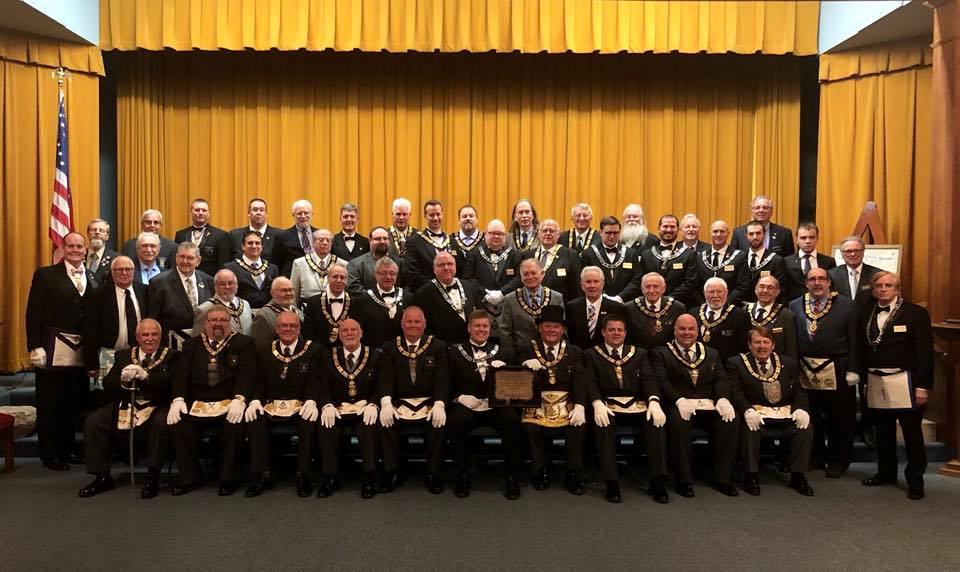
A Masonic lodge is where local Freemasons meet and work. More than the location, the lodge itself is its members and their united actions to promote Masonic values and enjoy each other’s company. It is during these closed meetings that Freemasons perform ritual and other teachings of the craft. The building itself can be as formal as the great Grand Lodges or as simple as a single room in a local building. Every Freemason begins his journey in the Craft in a lodge, where he receives the first three Degrees in Masonry.
The traditions of the lodge are founded upon the building of King Solomon’s Temple, and its fraternal ceremonies use the working tools of the stonemasons to symbolize moral lessons of Brotherly Love, Relief and Truth. For example, Masons are reminded at Lodge to meet upon the level of equality, act by the plumb of uprightness, and part upon the square of virtue.
Visit our lodge locator page to find a lodge near you.
Is Freemasonry a religion?
Freemasonry is not meant in any way to interfere with an individual’s commitment to his faith, family or occupation. Freemasonry is not and never can be a replacement for these important institutions; rather, it is a positive environment that reminds every Freemason of his duty to himself, his family, community and the Supreme Architect (an individual’s own definition of a Supreme Being.)