
Masonic Leadership Principles
Meet the Grand Master 2025 – Shawn Johnson
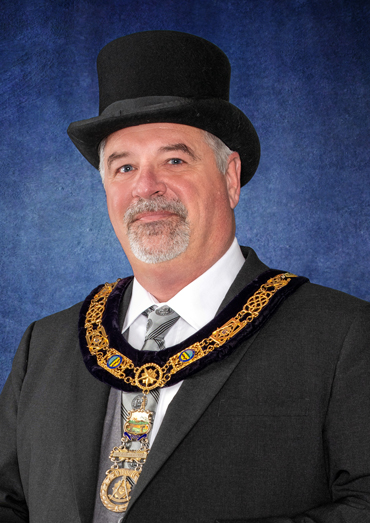
Shawn A. Johnson
Grand Master, Grand Lodge of F.&A.M. of Ohio
Shawn Johnson was born in Springfield, Ohio, to Sue and Lenny Johnson. His mother, Sue, retired as a rural postal carrier. His father, Lenny, retired from International Harvester in Springfield, Ohio.
Shawn grew up in South Charleston, Ohio, attending Southeastern High School. Upon graduation, Shawn moved for a brief period to Pandora, Ohio, to be employed by Triplet Corporation before joining the United States Army in 1987. Shawn attended basic training in Ft. Jackson, South Carolina, then attended electronic communications school at Ft. Gordon, Georgia.
Masonic Leadership Principles: Values, Integrity, Brotherhood, and the Path to Effective Leadership
Masonic leadership principles are rooted in integrity, respect, personal responsibility, brotherhood, charity, and service to others. Freemasonry has a long tradition of encouraging its members to become better individuals, contribute positively to their communities, and lead by example. These principles offer valuable lessons in ethical decision-making, personal development, teamwork, and responsible leadership.
For those interested in Freemasonry, understanding Masonic leadership principles provides insight into the values that guide Masonic lodges and the importance of leadership within the brotherhood.
What Are Masonic Leadership Principles?
Masonic leadership principles are values and practices associated with responsible leadership, ethical conduct, mutual respect, and service. They encourage individuals to develop strong character, make thoughtful decisions, respect others, and take responsibility for their actions.
Freemasonry is organized around local lodges, which are generally led by elected or appointed officers according to the rules of their respective jurisdictions. These officers help manage lodge activities, support members, preserve traditions, and encourage participation.
Although leadership structures and requirements differ between Masonic jurisdictions, many Masonic traditions emphasize the importance of leading with honesty, humility, fairness, and dedication.
1. Integrity and Honesty
Integrity is one of the most important principles of Masonic leadership. A responsible leader should be honest in words, actions, and decisions, even when facing difficult circumstances.
Masonic traditions encourage members to develop strong moral character and remain accountable for their conduct. Leaders who demonstrate integrity build trust and create an environment where members feel respected and valued.
Honest leadership involves:
Keeping commitments and promises.
Communicating truthfully and respectfully.
Taking responsibility for mistakes.
Treating members fairly.
Making ethical decisions rather than choosing personal advantage.
Integrity helps establish confidence in leadership and strengthens relationships within a Masonic lodge.
2. Brotherhood and Mutual Respect
Brotherhood is a central theme in Freemasonry. It represents a commitment to fellowship, mutual support, understanding, and respect among members.
Masonic leadership principles encourage leaders to recognize the dignity and contributions of every member, regardless of background, profession, or personal circumstances. Strong leaders listen to different perspectives and encourage members to work together toward shared goals.
A leader can demonstrate brotherhood by welcoming new members, supporting fellow Freemasons, resolving disagreements respectfully, and creating opportunities for meaningful participation.
Brotherhood is not simply about belonging to an organization. It also involves practicing kindness, responsibility, and consideration in everyday life.
3. Humility and Servant Leadership
Humility is an important quality in effective leadership. Masonic teachings often use symbols and traditions to encourage self-improvement, reminding members that personal growth requires patience, reflection, and a willingness to learn.
A humble leader does not use authority to dominate others. Instead, they recognize that leadership is a responsibility and that every member has something valuable to contribute.
Servant leadership involves:
Putting the well-being of the group before personal recognition.
Listening carefully to members’ concerns.
Helping others develop their abilities.
Accepting constructive feedback.
Sharing responsibility and acknowledging contributions.
When leaders serve rather than seek status, they can help build a more supportive and cooperative lodge environment.
4. Charity and Community Service
Charity is a longstanding part of Freemasonry. Masonic organizations and individual lodges may support charitable initiatives, community projects, educational programs, and assistance for people facing hardship.
Masonic leadership principles encourage members to look beyond personal interests and consider how they can make a positive difference in society.
Charitable leadership can include organizing fundraising activities, volunteering, supporting local causes, and helping ensure that assistance is delivered responsibly and respectfully.
The purpose of charity is not to gain recognition or reward. It is to demonstrate compassion and contribute to the well-being of others.
5. Wisdom and Sound Decision-Making
Effective leadership requires the ability to make thoughtful and informed decisions. Masonic traditions frequently emphasize wisdom as an important quality in personal conduct and leadership.
A wise leader takes time to understand a situation before acting. They consider the consequences of their decisions, seek advice when appropriate, and avoid allowing anger, pride, or personal disagreements to influence judgment.
Sound decision-making includes gathering relevant information, listening to different viewpoints, respecting lodge rules, and considering the interests of the wider membership.
These skills can help Masonic leaders manage responsibilities and address challenges in a fair and constructive way.
6. Discipline and Personal Responsibility
Discipline helps leaders remain consistent, organized, and dependable. In a Masonic setting, officers and members may have responsibilities involving meetings, administration, ceremonies, communication, and community activities.
Masonic leadership principles encourage members to honour their commitments, respect established procedures, and take ownership of their duties.
Personal responsibility includes arriving prepared, following the rules of the lodge, managing time effectively, and addressing problems instead of avoiding them.
Discipline also applies to personal development. Leaders should continue learning, reflecting on their behaviour, and improving their ability to serve others.
7. Equality, Fairness, and Justice
Fairness is essential to maintaining trust within any organization. Masonic leadership encourages respect for others and responsible treatment of members.
A fair leader avoids favouritism, listens to concerns, and applies the rules consistently. They should also respect the established constitution, bylaws, and regulations of their Masonic jurisdiction.
Fair leadership means providing members with a reasonable opportunity to participate, addressing disagreements impartially, and treating people with dignity.
When members believe that decisions are made fairly, they are more likely to develop confidence in their lodge’s leadership.
8. Knowledge, Learning, and Self-Improvement
Freemasonry places importance on personal development, reflection, and learning. Masonic symbols, lectures, traditions, and discussions can encourage members to examine their values and consider how they conduct themselves.
A strong Masonic leader understands that learning does not end upon receiving a leadership position. Leaders can benefit from studying Masonic history, understanding lodge governance, developing communication skills, and learning from experienced members.
Continuous learning helps leaders adapt to changing circumstances while remaining respectful of the traditions and regulations of their organization.
9. Communication and Conflict Resolution
Good communication is a fundamental leadership skill. Masonic lodge activities often involve people with different experiences, opinions, and expectations. Leaders should therefore be able to communicate clearly, listen actively, and handle disagreements constructively.
Effective Masonic communication includes speaking respectfully, explaining decisions, protecting appropriate confidentiality, and giving members a chance to express their views.
When conflicts arise, a responsible leader should seek to understand the issue, remain impartial, and follow the procedures established by the lodge and its governing jurisdiction.
Respectful communication helps maintain unity without requiring members to agree on every issue.
10. Leading by Example
One of the most meaningful Masonic leadership principles is leading by example. A leader’s conduct often has a greater influence than their words.
Masonic leaders can demonstrate this principle by showing honesty, respecting others, fulfilling responsibilities, supporting charitable work, and following the same standards they expect from fellow members.
Leading by example does not mean being perfect. It means acknowledging mistakes, learning from experience, and making a genuine effort to act consistently with the values one promotes.
The Role of Leadership Within a Masonic Lodge
A Masonic lodge is generally governed through a system of officers whose roles depend on the jurisdiction and the lodge’s governing documents. Common officer positions in many regular Masonic lodges include the Worshipful Master, Senior Warden, Junior Warden, Treasurer, and Secretary.
These officers may have responsibilities related to conducting meetings, overseeing lodge operations, managing finances, maintaining records, and supporting members.
Leadership positions are not a guarantee of personal status, financial rewards, or special privileges. They involve duties, accountability, and service within the rules of the relevant Masonic organization.
Anyone interested in Masonic leadership should consult the recognized Grand Lodge governing their area for accurate information about offices, eligibility, elections, and responsibilities.
Why Masonic Leadership Principles Matter Today
Masonic leadership principles remain relevant because integrity, respect, responsibility, and service are valuable in many areas of life.
These values can help individuals become more thoughtful colleagues, responsible community members, supportive friends, and ethical leaders. They also provide a framework for building cooperation, encouraging personal growth, and creating a culture of accountability.
While individual lodges and jurisdictions may interpret traditions differently, the broader lessons of ethical leadership and mutual respect can be applied both within and outside Freemasonry.
Frequently Asked Questions About Masonic Leadership Principles
What are the main Masonic leadership principles?
Commonly emphasized principles include integrity, brotherhood, humility, charity, wisdom, discipline, fairness, continuous learning, and leading by example. Their interpretation and application may vary between Masonic jurisdictions.
What makes a good Masonic leader?
A good Masonic leader demonstrates honesty, sound judgment, respect, responsibility, and a willingness to serve. They listen to members, follow lodge regulations, and act in ways that build trust.
Is Masonic leadership focused on power?
Masonic leadership is generally presented as a responsibility to serve the lodge and its members rather than an opportunity to exercise personal power. Leadership roles come with duties and accountability.
Can Masonic leadership principles be applied outside the lodge?
Yes. Integrity, fairness, humility, communication, and service are useful principles in workplaces, families, community organizations, and everyday relationships.
How can someone develop Masonic leadership skills?
Members can develop leadership skills by participating in lodge activities, learning about Masonic traditions and governance, seeking guidance from experienced members, accepting feedback, and practicing responsible conduct.
Conclusion
Masonic leadership principles provide a foundation for ethical conduct, personal development, brotherhood, and meaningful service. By embracing integrity, humility, wisdom, fairness, discipline, and charity, Masonic leaders can help create stronger relationships and more effective lodge communities.
True leadership is not measured solely by a title or position. It is demonstrated through consistent actions, respect for others, accountability, and a sincere commitment to making a positive difference. These principles continue to offer valuable lessons for Freemasons and anyone seeking to become a more responsible and compassionate leader.
Grand Lodge Officers 2025-2026
| Name | Position |
|---|---|
| MWB Shawn A. Johnson | Grand Master |
| RWB Michael L. McCandlish | Deputy Grand Master |
| RWB Wayne A. Fischer | Senior Grand Warden |
| RWB Jeffrey M. Sime | Junior Grand Warden |
| MWB Steven M. Grindle | Grand Treasurer |
| MWB Keith W. Newton | Grand Secretary |
| RWB David L. Waggoner | Grand Chaplain |
| RWB Eric W. Muehlenbein | Grand Orator |
| RWB Troy L. Davis | Grand Marshal |
| Grand Marshal | Senior Grand Deacon |
| RWB Brian J. Arehart | Junior Grand Deacon |
| RWB W. Patrick Comer | Grand Tyler |