
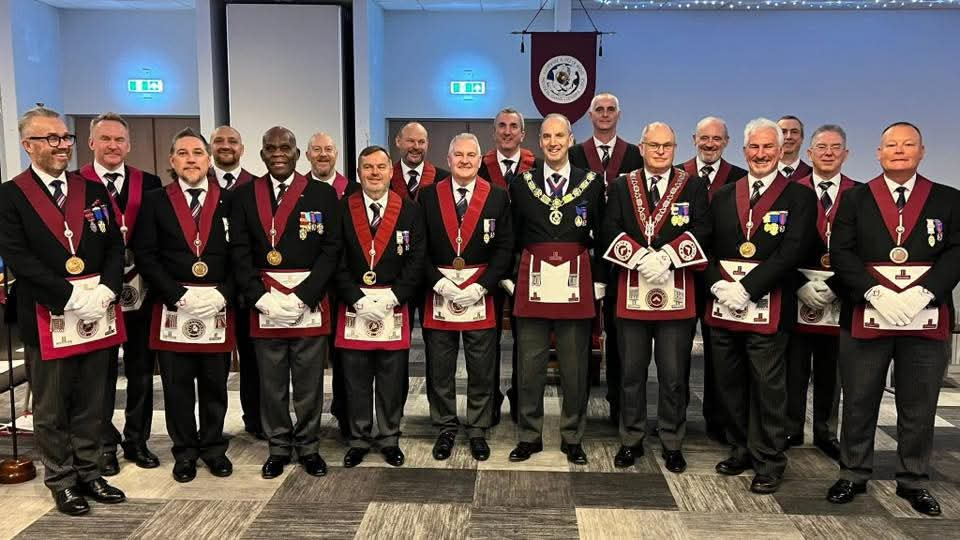
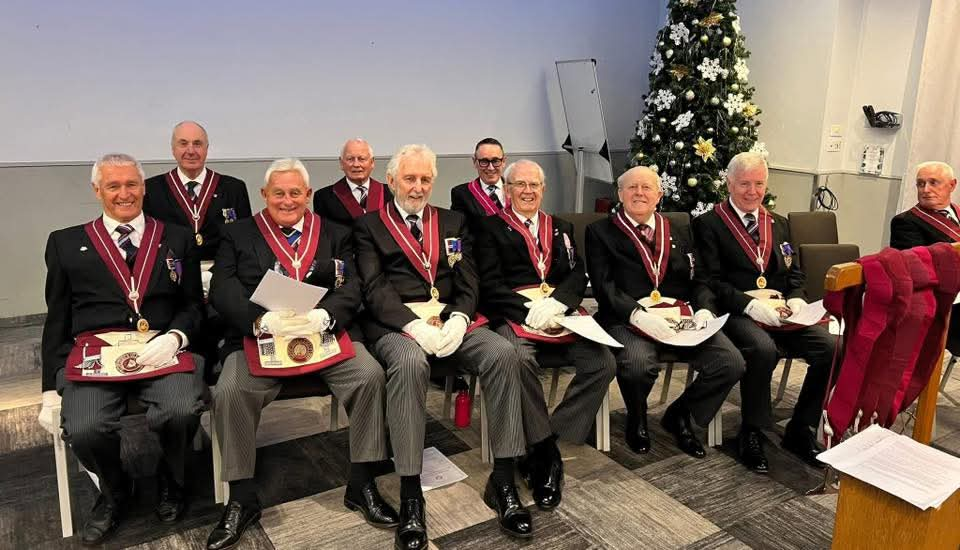
Behind the Regalia: A Masonic Lodge Officers' Photograph Explained Introduction: More Than Just a Group Photo A formal photograph of Masonic lodge officers and members, like the one captured here, is more than a simple keepsake. Every apron, collar, jewel, and chain of office tells a story about rank, service, and tradition within the lodge. For newcomers to Freemasonry, or for anyone curious about what these symbols and garments mean, understanding the regalia on display offers a window into centuries of ritual and meaning. This post explores the symbolism behind Masonic regalia, the significance of formal lodge photographs, and why these gatherings matter so deeply to the Masonic community .The Significance of Masonic Regalia Masonic regalia is far from decorative costume. Each element is steeped in symbolism, and the specific combination worn by each member communicates their rank, office, and years of service within the fraternity .The Apron The Masonic apron is the most recognizable piece of regalia, tracing its origins to the practical leather aprons worn by medieval stonemasons to protect their clothing while working stone. In speculative Freemasonry, the apron has become the badge of a Mason, symbolizing innocence, honest labor, and moral purity. The design, color, and trim of an apron typically indicate the wearer's rank: a plain white apron for Entered Apprentices, more elaborate trim and symbols for higher offices, and rich maroon or garter-blue detailing often denoting Provincial or Grand Lodge rank. The Collar and Jewel The collar worn around the neck, often in the same colors as the apron trim, holds the officer's jewel, a small metal emblem representing their specific role within the lodge. The Worshipful Master, for example, wears a square; the Senior Warden a level; the Junior Warden a plumb. These tools, borrowed from the operative mason's toolkit, symbolize moral lessons central to Masonic teaching. The Chain of Office A more elaborate chain, often worn by the presiding officer, signifies a position of significant authority and responsibility, such as Worshipful Master or a Grand Officer. This chain typically carries a larger, more ornate jewel representing the highest office held. White Gloves The white gloves seen throughout such photographs are a traditional symbol of purity of intention and clean hands in one's dealings, both within the lodge and in daily life. Why Group Photographs Matter in Masonic Culture Formal photographs like this one are typically taken to commemorate significant lodge occasions: an installation of new officers, a lodge anniversary, a visit from Grand Lodge dignitaries, or another meaningful milestone in the lodge's calendar. These images serve several important purposes :Historical Record: Lodges often maintain photographic archives stretching back decades, documenting the officers and members who have served over the years. Celebrating Service: A formal photograph honors the commitment of members who dedicate significant time to lodge administration, ritual work, and charitable endeavors .Strengthening Fraternal Bonds: These gatherings and their accompanying photographs reinforce the sense of brotherhood and shared purpose that defines Masonic membership.Marking Transitions: Many such photographs coincide with an installation ceremony, marking the formal transfer of leadership from one Worshipful Master to his successor.Understanding the Occasion Behind the ImageWhile the specifics of any individual lodge meeting vary, formal gatherings featuring this level of regalia typically indicate one of the following occasions:Installation Meetings: The annual ceremony where a new Worshipful Master and his officers are installed into their respective roles for the coming year.Ladies' Festivals or Special Celebrations: Events marking lodge anniversaries or significant milestones.Official Visitations: Occasions when Provincial or Grand Lodge officers attend in an official capacity, often recognizable by more elaborate regalia and chains of office.Consecration Ceremonies: The formal founding of a new lodge, a particularly significant and rare occasion in Masonic life.The Values Reflected in the ImageBeyond the regalia itself, a photograph like this reflects core Masonic values: fellowship, tradition, charity, and self-improvement. The presence of multiple generations standing together, united by shared symbols and shared commitment, speaks to Freemasonry's enduring appeal across age groups and backgrounds.The formality of the dress code, the precision of the lineup, and the visible pride on the faces of those photographed all point to an organization that takes its traditions seriously while fostering genuine camaraderie among its members.A Brief Look at Masonic Ranks and ProgressionFor those new to Freemasonry, understanding the journey members take through the ranks helps make sense of the varied regalia seen in such photographs:Entered Apprentice: The first degree, marked by a simple lambskin apron.Fellow Craft: The second degree, with slightly more detailed regalia.Master Mason: The third and final basic degree, granting full membership rights.Lodge Officers: Elected or appointed positions such as Secretary, Treasurer, Senior and Junior Wardens, and ultimately Worshipful Master.Provincial and Grand Lodge Officers: Members who have been recognized for exceptional service at a regional or national level, distinguished by more elaborate regalia, often in different colors from standard lodge dress.Conclusion: A Snapshot of Tradition and FellowshipA photograph capturing a lodge's officers and members in full regalia is a celebration of continuity, tradition, and brotherhood. Every apron, collar, and chain tells part of a larger story about personal growth, community service, and the enduring values that have defined Freemasonry for centuries. Whether marking an installation, a special visit, or simply the ongoing life of a lodge, such images preserve a moment of shared purpose for generations of Masons to look back upon.A note on this image: I can describe the general symbolism and occasion typically reflected in a Masonic officers' photograph like this, but I don't have a way to verify the identities of the individuals pictured, their specific lodge, or the exact event — so I've kept the description general rather than inventing those details. If you can share the lodge name, event, or any names you'd like credited, I'm happy to tailor the post further.